


December 1, 2025
IND vs SA 2nd ODI Match Build Up, Key Players and Squads
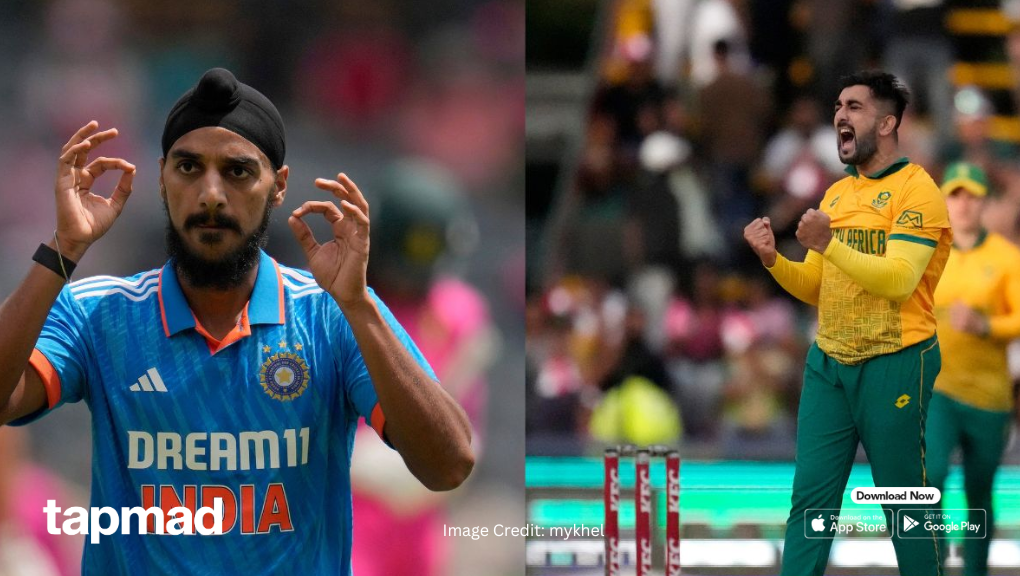

The India vs South Africa 2nd ODI is set to be played in Raipur. India holds a 1-0 lead after a strong 17-run win in the first match at Ranchi. The second match carries a sharp edge because both sides have shown flashes of strength in recent weeks, but India carries more stability. Virat Kohli led the way in the opening match with a fluent 135, and the South African chase showed both skill and pressure at different stages. Raipur brings a new setting and fresh expectations, and this preview sets up everything fans need before the first ball.
First ODI Summary
India 349 for 8
Virat Kohli produced a commanding 135 off 120, his innings controlling the pace and keeping India ahead. Supporting roles from the middle order added balance. The total of 349 gave the bowlers space to attack and defend in phases.
South Africa 332 all out
South Africa looked competitive while chasing a large target and crossed 300. The innings kept shifting between steady partnerships and quick wickets. India held their nerve when it mattered. A 17-run win gave India momentum and confidence heading into the next match.
Key takeaways for Raipur
- India’s batting looks settled.
- South Africa’s chase showed their batting has potential even under pressure.
- Bowling for both teams had mixed spells, so improvement becomes important in the next match.
Overall Team Form Before Raipur
India Recent Form
W, L, L, W, W
India’s last five matches show a stronger pattern now. After losing twice to Australia, they responded with a win in the final match of that series and carried the same flow into the first ODI against South Africa. Their best players look stable and active in the middle overs.
South Africa Recent Form
L, L, W, L, L
South Africa’s recent pattern continues to be inconsistent. Their only win came against Pakistan. Their chase in the last game proved they can stay in a contest but finishing has been an issue.
Batters To Watch
Virat Kohli, India
10 matches, 479 runs, average 59.88, strike rate 90.2
Kohli arrives in Raipur after a match-winning hundred. His control over the chase and innings structure puts him in a leading role again. His presence strengthens India’s approach, and his form makes him the most important name in this preview.
Rohit Sharma, India
10 matches, 440 runs, average 48.89, strike rate 93.81
Rohit gives India strong starts. His timing and range in the powerplay offer India a chance to build early. He adds fluency and depth to their innings.
Matthew Breetzke, South Africa
8 matches, 381 runs, average 54.43, strike rate 92.7
Breetzke brings a solid technique and calm shot selection. South Africa needs a reliable top-order anchor, and he fits that role well. His recent numbers show control and steady partnerships.
Quinton de Kock, South Africa
4 matches, 239 runs, average 79.67, strike rate 91.22
De Kock carries experience and impact. His ability to take advantage of field restrictions can shift match flow early. His recent numbers show he remains a game-changing name.
Bowlers To Watch
Harshit Rana, India
7 matches, 15 wickets, economy 5.53, strike rate 20.4
Rana has delivered well in his early ODI career. His strong wicket-taking ability gives India control in the middle overs. His pace and accuracy can test the South African batting.
Kuldeep Yadav, India
8 matches, 13 wickets, economy 5.09, strike rate 34.38
Kuldeep brings control and a sharp turn as his overs often break momentum. Moreover, his variation and angles can trouble the middle-order batters.
Nandre Burger, South Africa
8 matches, 15 wickets, economy 6.4, strike rate 25.2
Burger gives South Africa movement and aggression. His pace works well in Indian conditions when he finds the right length.
Keshav Maharaj, South Africa
6 matches, 14 wickets, economy 5.28, strike rate 22.0
Maharaj offers control and pressure. He can slow down run flow and produce breakthroughs in the middle overs.
India Squad for the 2nd ODI
KL Rahul (c), Arshdeep Singh, Ruturaj Gaikwad, Harshit Rana, Ravindra Jadeja, Yashasvi Jaiswal, Dhruv Jurel, Virat Kohli, Kuldeep Yadav, Nitish Kumar Reddy, Rishabh Pant (wk), Prasidh Krishna, Rohit Sharma, Tilak Varma, Washington Sundar
South Africa Squad for the 2nd ODI
Temba Bavuma (c), Ottneil Baartman, Corbin Bosch, Matthew Breetzke, Dewald Brevis, Nandre Burger, Quinton de Kock (wk), Tony de Zorzi, Rubin Hermann, Marco Jansen, Keshav Maharaj, Aiden Markram, Lungi Ngidi, Ryan Rickelton, Prenelan Subrayen
Head To Head Record
India leads strongly in the last five meetings.
- India won by 17 runs, Nov 2025
- India won by 78 runs, Dec 2023
- South Africa won by 8 wickets, Dec 2023
- India won by 8 wickets, Dec 2023
- India won by 243 runs, Nov 2023
India carries clear dominance in recent matchups.
Raipur Conditions
Raipur often offers balance for both batting and bowling. Conditions tend to favour batters early but help spinners and smart seamers later. India’s combination suits these conditions well. South Africa’s pace attack must find rhythm early or India can build another strong score.
Key Matchups That Can Influence The IND vs SA 2nd ODI
Virat Kohli vs Keshav Maharaj
Kohli enters the second match with a strong hundred behind him. Maharaj presents a slower phase of accurate spin that can test his patience. Kohli’s ability to rotate strike in this matchup can set the tone for India’s middle overs.
Rohit Sharma vs Nandre Burger
Rohit’s timing in the powerplay remains one of India’s best weapons. Burger’s pace and aggressive areas can challenge Rohit early. If Rohit settles, India gains a strong platform. If Burger finds a breakthrough, South Africa can control the early momentum.
Quinton de Kock vs Arshdeep Singh
De Kock likes to open space and create angles. Arshdeep attacks the stumps with movement. The winner of this contest can shift the early run flow.
Matthew Breetzke vs Kuldeep Yadav
Breetzke brings calm footwork and steady stroke play. Kuldeep brings spin variation. South Africa often depends on Breetzke for stability. If Kuldeep removes him early, India gains strong control.
India Strengths Before Raipur
Strong Top Order
Rohit and Jaiswal create scoring pressure early. Kohli brings control and long innings. This flow gives India a stable structure.
Controlled Spin Attack
Kuldeep and Jadeja have shown control in recent months. Their overs often slow the chase and produce wickets.
Improved Pace Bowling
Rana and Arshdeep offer accuracy and variation. Both have taken important wickets in recent games.
Better Recent Momentum
India’s last few matches show a smoother rhythm compared to South Africa.
South Africa Strengths
Aggressive Top Order
De Kock and Breetzke can produce sharp starts. Brevis brings dynamic scoring once he settles.
Pace Variety
Burger and Ngidi bring different areas and speeds. Jansen adds bounce and reach.
Spin Stability
Maharaj provides accuracy and calm spells. He rarely gives away runs and often creates pressure.
Lower Order Shot Making
South Africa’s lower order showed flashes of late hitting during the Ranchi chase.
Weaknesses Both Teams Must Fix
India
- Middle overs can slow down when both set batters fall early.
- Death overs bowling must tighten. South Africa crossed 300 with late hitting in Ranchi.
- India must avoid giving South African batters loose areas outside off because they score heavily when bowlers miss their length.
South Africa
- Early overs with the new ball need accuracy.
- Middle overs collapse has been a pattern across recent matches.
- Their bowlers often let partnerships grow without pressure.
- Fielding has lacked sharpness in key positions.
What India Must Do To Win The 2nd ODI
India must use their batting stability to build a strong start. Their top order shape most innings with steady scoring. A solid start gives Kohli time to anchor and allows the lower order to play freely at the end. India’s spinners must create pressure from overs 15 to 35, a phase where South Africa often loses track. Their bowlers must stay tight at the death to avoid giving away momentum. Fielding must stay sharp. India often wins tight moments because of ground fielding and run control in the circle.
What South Africa Must Do To Stay In The Series
South Africa needs early breakthroughs. Removing one of India’s top three opens space for the fast bowlers. Their batters must form partnerships around Breetzke or de Kock. A steady start gives the middle order a platform to control the innings. They must stay active against spin and avoid dot ball pressure. Their bowlers must reduce loose deliveries, especially in the opening ten overs. Raipur gives them a clean chance to reset. A strong approach can level the series and create a final match decider.
Conclusion
The India vs South Africa 2nd ODI brings excitement because the opening match showed a tight contest. India enters with a stronger rhythm, and South Africa enters with the hunger to break their losing pattern. Fans can expect a contest full of powerful batting, sharp matchups, and important tactical calls. The South Africa tour of India continues to produce engaging cricket, and Raipur adds another chapter with high expectations. The match holds meaning for the series, and both sides will bring full intensity.